TOURIST ACCOMMODATION PLATFORMS AND POST-PANDEMIC HOUSING TRANSFORMATIONS IN THE ROMA-CONDESA AREA, MEXICO CITY
Keywords:
gentrification, touristification, housing, Airbnb, Mexico CityAbstract
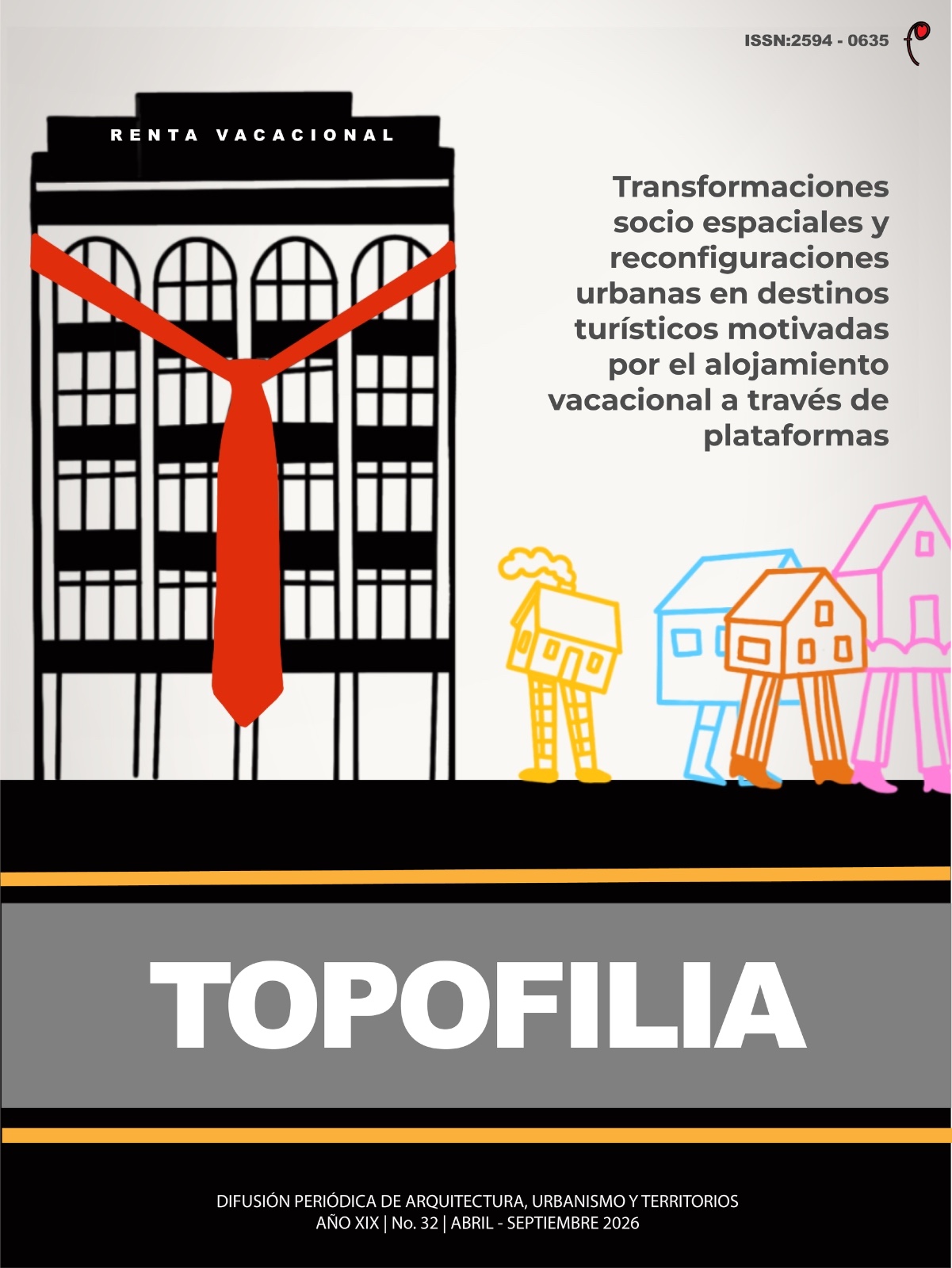
This paper analyses the impact of the rise of short-term rental platforms on residential use in the Roma Norte, Roma Sur, Condesa, and Hipódromo neighborhoods in Mexico City. Adopting a critical approach to gentrification and touristification processes, the study demonstrates how the post-pandemic period (2020–2025) marked a new stage in the transformation of these traditionally residential areas. The research combines statistical sources, digital platform data, and field observations to examine the expansion of tourist housing supply and its impacts on the availability of residential space. The findings show that the arrival of digital nomads has consolidated a form of tourist gentrification characterized by the massive conversion of apartments into temporary accommodations, the displacement of local residents by transient visitors, and the reconfiguration of everyday housing practices. The article proposes understanding this phenomenon as a new cycle of capitalist accumulation, in which the digital economy redefines the use of residential space
and deepens territorial inequalities in the Mexican capital.
Downloads
Downloads
Published
How to Cite
Issue
Section
License

This work is licensed under a Creative Commons Attribution-NonCommercial-NoDerivatives 4.0 International License.